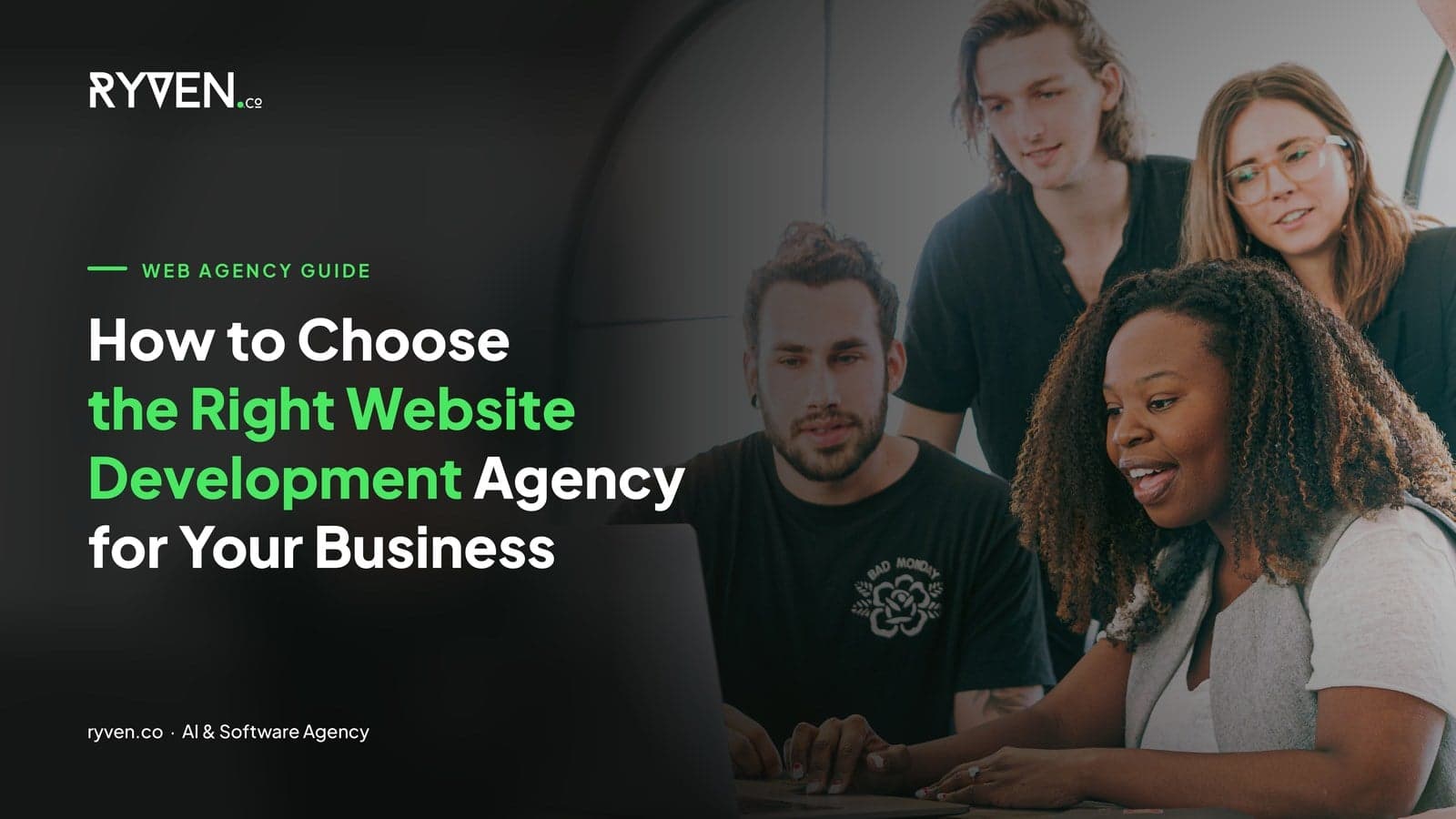
How to Choose the Right Website Development Agency for Your Business
How to choose the right website development agency in 2026: the questions to ask, what to look for in portfolios and proposals, and the red flags that lead to costly mistakes.
How to Choose the Right Website Development Agency for Your Business
Introduction: Your Website Partner Matters
Choosing the right website development agency can make or break your online success. In 2026, businesses thrive based on user experience, SEO, website speed, and brand credibility—all of which begin with the agency you trust to build your website.
This blog will guide you step by step through the process of choosing the right agency for your business needs.
1. Know What You Need First

Before you contact an agency, get clear about your goals.
Are you selling products (e-commerce)?
Are you booking appointments (service-based)?
Are you creating a portfolio or brand website?
Tip: Make a list of must-have features such as online payments, booking calendars, blog functionality, or multilingual support.
2. Look for a Portfolio That Matches Your Vision

Always review an agency's portfolio. Are their previous websites:
Mobile-responsive?
Fast-loading?
Visually appealing?
Clear and easy to navigate?
Example:
When GreenLeaf Markets compared two agencies, they chose one with strong e-commerce case studies. Their new website increased online orders by 67% within six months.
3. Ask About Their Development Process

A reliable agency should clearly explain its development process.
Typical stages include:
Discovery and research
Wireframes and design mockups
Development
Testing and revisions
Launch and ongoing support
If an agency skips the discovery or testing phase, consider it a red flag.
4. SEO Knowledge Is Critical

A beautiful website without SEO is like opening a store in the middle of a desert. Make sure the agency:
Optimizes website speed
Writes clean, maintainable code
Plans a logical URL structure
Understands keyword strategy
Important: Ask whether SEO essentials—such as meta tags, XML sitemaps, and mobile optimization—are included in the project.
5. Focus on Communication

You're not just hiring a service provider—you're building a long-term partnership. Pay attention to whether the agency:
Responds promptly to emails and calls
Explains technical concepts clearly
Assigns a dedicated project manager
Good communication saves time, reduces costs, and prevents misunderstandings.
6. Check Reviews and References
Look for reviews on trusted platforms such as:
Google Reviews
Clutch.co or Trustpilot
Fiverr or Upwork (if applicable)
Client testimonials on the agency's website
Pro Tip: Ask if you can speak with a previous client. A short conversation can tell you a great deal about the agency's reliability and communication.
7. Clarify Pricing—Get a Transparent Proposal

A professional agency will:
Clearly explain what's included
Break down costs by project phase
Inform you about any potential additional costs
Avoid agencies that refuse to provide clear estimates. Hidden costs often lead to delays, budget overruns, and frustration.
8. Post-Launch Support Matters
Your website still needs ongoing support after launch, including:
Minor content updates
Security updates
Regular backups
Hosting and performance monitoring
Ask upfront what support and maintenance packages are available.
9. Don't Just Choose the Cheapest Option
A website is a long-term business investment. A low-cost website may end up costing far more through poor performance, weak SEO, lost leads, and reduced credibility.
Cost-Benefit Example:
Choose based on long-term value—not simply the lowest price.
10. Look for a Cultural Fit
Choose an agency that:
Understands your brand voice
Shares your values, such as transparency, innovation, and quality
Communicates in a way that suits your business
When your values align, collaboration becomes easier and the final product better represents your brand.
Conclusion: The Right Agency Multiplies Your Success

Hiring the right website development partner isn't just about technical expertise—it's about finding a team that shares your vision, communicates effectively, and is committed to your success.
Take your time, ask thoughtful questions, and choose an agency that treats your business as if it were their own.
At Ryven, we specialize in building powerful, SEO-friendly, and conversion-focused websites that help businesses grow.
Ready to find the right website partner?
Book a free consultation with Ryven's expert team today.
Schedule Your Free Call →
Founder of Ryven
Budgeting for your project? Read our breakdown of how much a website costs in 2026.