From Idea to Launch: Step-by-Step Guide to Building Your First Business Website
A step-by-step guide to building your first business website in 2026, from defining your goal and choosing a platform to content, SEO basics, testing and launch.
From Idea to Launch: Step-by-Step Guide to Building Your First Business Website
Introduction: Turn Your Business Vision Into a Digital Reality
You’ve got the idea. Now it’s time to bring it to life online. Whether you’re launching a startup, a side hustle, or your first business, this guide walks you through every step of building a professional, lead-generating website in 2026.
This isn’t just for techies — this guide is written in plain English for entrepreneurs and business owners who want results, not headaches.
Step 1: Define Your Purpose and Target Audience

Before anything, clarify:
What is the goal of the website? (Sales, bookings, awareness?)
Who is your target audience?
What action should visitors take?
If you're a personal trainer, your goal might be to book more sessions. Your audience? Local adults looking for fitness solutions. Your CTA? "Book a Free Trial Session."
If you're a personal trainer, your goal might be to book more sessions. Your audience? Local adults looking for fitness solutions. Your CTA? "Book a Free Trial Session."
Step 2: Choose a Memorable Domain Name
Pick something short, easy to spell, and relevant to your brand.
Tools: Use Namecheap, GoDaddy, or Google Domains to search availability.
Avoid hyphens or numbers
Use .com or country-specific extensions
Step 3: Select the Right Website Platform

Popular platforms in 2025 include:
WordPress – flexible and widely supported
Shopify – for online stores
Webflow – visual design freedom
Custom Laravel/Next.js – for high-performance sites
MERN Stack – for High performance javascript website
Tip: Ryven helps you choose based on business goals, scalability, and budget.
Step 4: Plan Your Website Structure

Sketch out pages like:
Home
About Us
Services/Products
Blog or Resources
Contact
Use free tools like Whimsical or Figma for wireframing. A clean layout leads to better UX and faster builds.
Step 5: Write Content That Converts

Keep it simple. Use headlines, short paragraphs, and clear CTAs.
What you do
Who you serve
Why they should choose you
What to do next (Call, buy, book)
AI Optimization: Use GPT tools to write SEO-friendly content. Ryven can help optimize tone, keywords, and structure.
Step 6: Choose a Clean, Fast, Mobile-Friendly Design
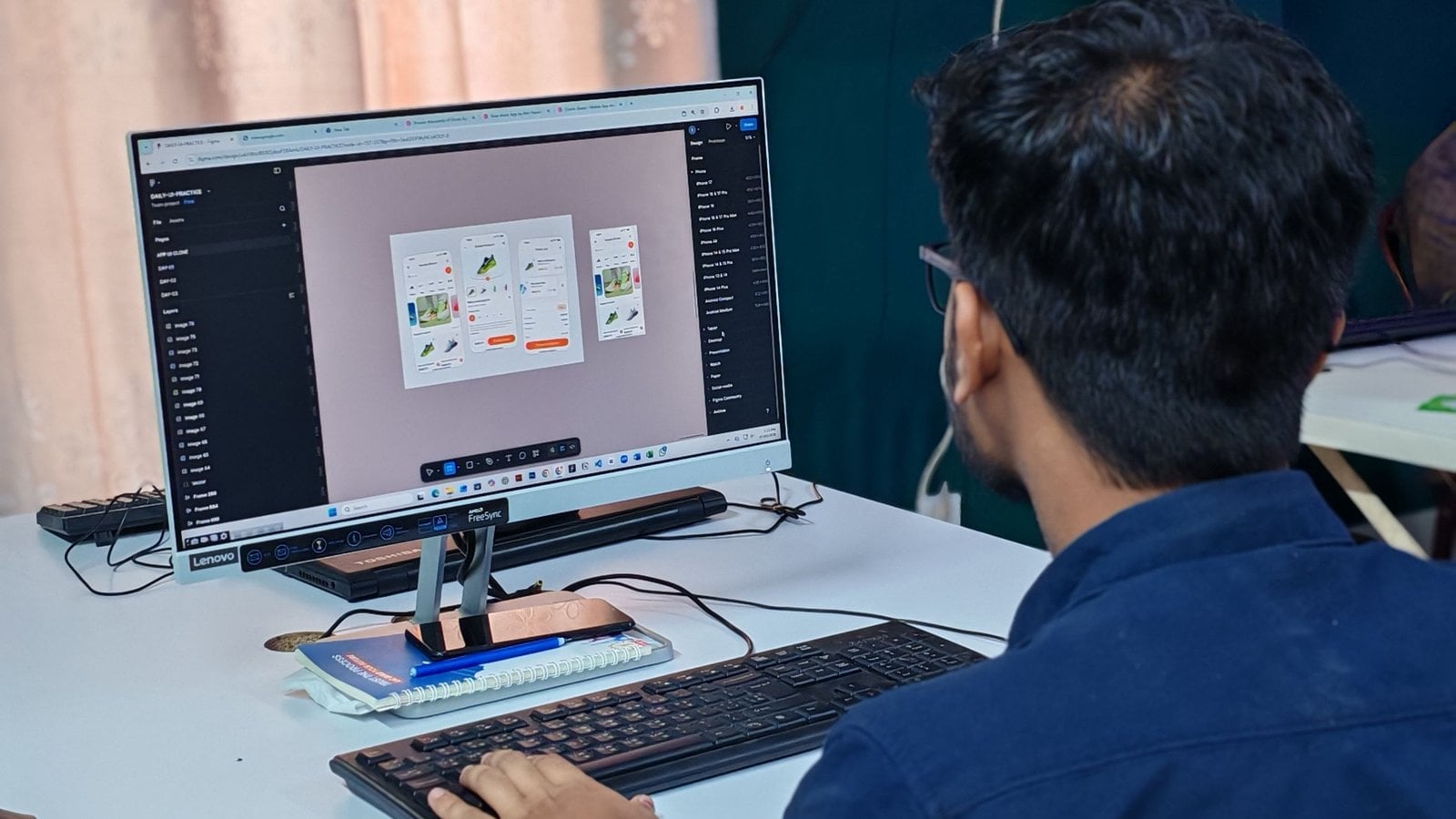
Speed and mobile-first design matter more than ever.
Use templates or hire an agency that prioritizes:
Responsive layout
Minimal loading times
Accessibility (contrast, readable fonts, etc.)
Step 7: Set Up Analytics & SEO Basics
Track performance from Day 1 with:
Google Analytics 4
Google Search Console
Meta tags, ALT tags, sitemaps
Pro Tip: Ryven builds these into all client websites by default.
Step 8: Launch and Test Thoroughly

Before going live:
Test every link
Mobile and desktop views
Contact forms and CTAs
Use tools like BrowserStack and Hotjar to simulate user experiences.
Step 9: Promote Your Website
After launch, drive traffic with:
Social media posts
Google My Business\
Email newsletter
Ads (Google or Meta)
Step 10: Keep It Updated and Optimized
Websites are never “done.” Update blogs, services, and security regularly.
Speed and SEO performance
Backups and plugin updates
Lead forms and funnels
Conclusion: Your Website Is the Heart of Your Business

In today’s market, your website is your pitch, your store, and your business card — all rolled into one. Start strong, and your business will grow with it.
At Ryven, we help entrepreneurs go from idea to launch in just weeks — with websites that work, sell, and scale.
Got an idea? Let’s build it into a launch-ready website. Schedule your free discovery call today.
Book a Free Call →
Founder of Ryven
Before you start, read the 10 most common first-website mistakes and our 2026 website cost breakdown.